
Experience the Vibrant Flavors of Sicilian Cuisine at Bar Corso
Updated: May 21
Sicilian food has a way of waking you up. It’s not subtle or restrained. With citrus, olive oil, seafood, heat, and herbs, everything feels brighter, louder, and a little more alive. This cuisine is crafted near the water and under the sun, and you can taste both immediately.
The Sicilian Table: A Celebration of Togetherness
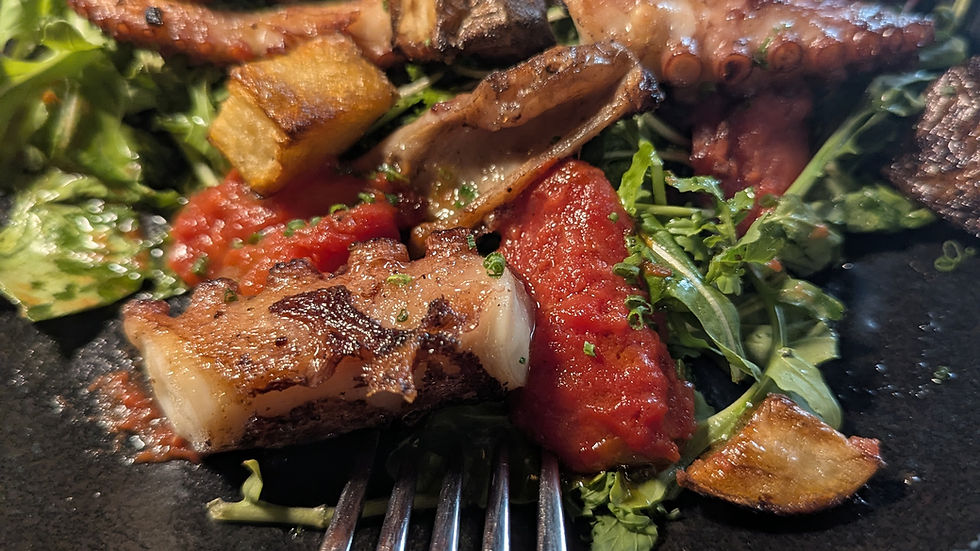
In Sicily, meals stretch into delightful experiences. A few small dishes become a feast. Someone orders grilled octopus for the table, and soon, anchovies appear. Citrus sneaks into every bite, and wine flows freely before anyone has fully decided what to eat.
This dining experience isn’t overly structured; it flows naturally. That’s what matters to us at Bar Corso. The best tables here embrace this rhythm. One plate leads to another, a cocktail turns into a bottle of wine, and dinner quietly transforms into the whole evening.
Citrus, Seafood, and Balance: The Heart of Sicilian Cooking
Sicilian cooking knows how to keep richness in check. Acid cuts through fried seafood, while herbs elevate slow-cooked dishes. Bitter greens prevent heaviness, and even desserts finish cleaner than expected. This balance shines throughout our menu, particularly with seafood.
We’re always on the lookout for dishes that feel layered yet light. Bright, salty, bitter, and fresh—that’s the sweet spot we aim for!
Aperitivo by the Water: A Unique Experience
Aperitivo in Sicily has its own charm, different from northern Italy. It’s less polished and more sun-faded. Spritzes are colder, and citrus flavors hit harder. These drinks are crafted for long afternoons that seamlessly transition into nighttime.
That’s why our bar naturally leans toward bitter, low-ABV cocktails and amaro-driven drinks. They keep your appetite alive and make you crave another plate. That’s exactly the point!
The Corso Version: Embracing the Sicilian Spirit
At Bar Corso, we’re not trying to imitate Sicily. Instead, we’re borrowing its rhythm: longer meals, brighter flavors, slower evenings, and louder tables.
Order seafood, start with something bitter, and pass plates around. Stay longer than you planned. That’s the essence of Sicilian dining, and we embrace it wholeheartedly.
A Culinary Adventure Awaits
Every visit to Bar Corso promises a culinary adventure. Our menu is designed to surprise and delight. Each dish tells a story, inviting you to explore the vibrant flavors of Sicily.
Seasonal Ingredients
We prioritize fresh, seasonal ingredients. This commitment ensures that every bite bursts with flavor. Our chefs craft dishes that celebrate the best of what each season has to offer.
Unique Drink Selection
Our drink selection is as unique as our food. From classic Italian wines to innovative cocktails, there’s something for everyone. Each drink is thoughtfully paired with our dishes, enhancing your dining experience.
A Warm Atmosphere
The atmosphere at Bar Corso is vibrant and welcoming. Whether you’re here for a romantic dinner or a night out with friends, you’ll feel right at home. Our staff is friendly and knowledgeable, ready to guide you through your culinary journey.
Join Us for a Memorable Evening
We invite you to join us for a memorable evening at Bar Corso. Experience the lively spirit of Sicilian cuisine, where every meal is a celebration. Come hungry, and leave happy!
Let’s make your next night out unforgettable!
---
For more information, visit our website here.


